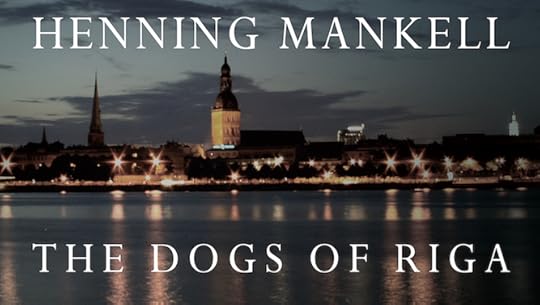
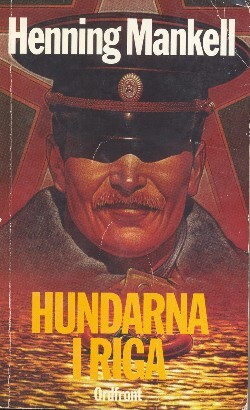
This is an outstanding work of Scandinavian crime fiction for a very specific reason: Henning Mankell has Inspector Wallander spend the bulk of the novel in Latvia during a time (1991) when the Baltic country was caught in the chaos and brutality of Soviet disintegration—a time of pervasive poverty, a time when sharing a secret with a friend could send you or your friend to prison.
A dark time, indeed. So dark that, as I understand it, this novel is not at all popular with the citizens of present-day Latvia, now that they enjoy living in a democratic, independent, and prosperous member state of the European Union. Prosperous and affordable—exactly the reasons a good number of Americans and Canadians, many of retirement age, have chosen to call Latvia home.
The novel's opening chapter sets the framework: a rubber life raft with two well-dressed men, dead, both shot in the chest, washes ashore on a beach not far from Wallander's town of Ystad.
Several days of intense investigation reveal a connection to Latvia. Soon thereafter, a Latvian detective, Major Liepa, arrives in Ystad to assist in the investigation. More police work—especially from Wallander working alongside Major Liepa—and deeper links to the crime scene point to Latvia and drugs. This being the case, the chain-smoking Major Liepa returns to his home country to continue the investigation.
Then it happens: the Swedish police are informed that Major Liepa has been murdered. The Latvian authorities request that Inspector Kurt Wallander fly to Riga to help uncover the murderer. Immediately upon arrival, Wallander is introduced to two high-ranking officials within the Riga police organization: Colonel Punis and Colonel Murniers. What these two colonels have to say, and the way they go about the investigation, set off alarm bells for Wallander—he knows intuitively and rationally that he isn’t being given anything close to the truth.
We follow Wallander’s every step, feeling his way, all the while knowing that he is way, way over his head in a country and society vastly different from his own free Sweden.
What follows will have a reader eagerly turning the pages—or listening to the audiobook expertly narrated by Dick Hill.
Within the genre of crime fiction, Henning Mankell has written a classic not to be missed. This is not merely a police procedural but a powerful evocation of a society in collapse, seen through the wary eyes of Kurt Wallander. When the novel ends, it feels less like finishing a book than like returning from a long, harrowing stay in Riga—one that lingers in the mind.
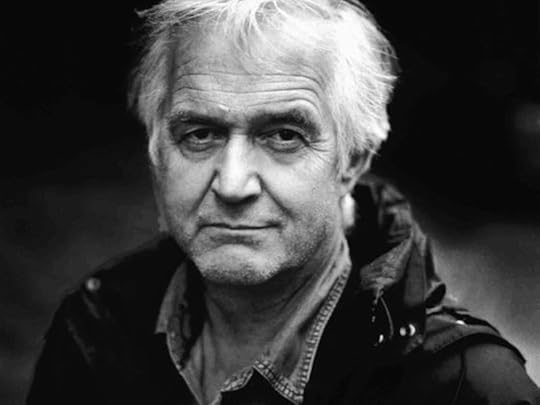
Swedish novelist Henning Mankell, 1948-2015
Comments
Post a Comment